
Department of Biochemistry
he Department of Biochemistry investigates the molecular basis of plant metabolism and cellular communication. The focus is on source-sink interactions—that is, the distribution of assimilates and nutrients—which are critical to crop yields. These processes are influenced by environmental factors such as heat and drought and are changing in the wake of climate change. Using modern methods, key mechanisms are investigated in crops such as potatoes and cassava, as well as in model plants. The goal is to make plants more resilient and to sustainably increase their yields.


Research Focus
The research conducted by the Department of Biochemistry focuses on the analysis of molecular mechanisms regulating plant metabolism and the signaling pathways of cellular communication. The productivity of crop plants depends to a large extent on the distribution of assimilates and nutrients between producing (source) and consuming (sink) organs. For example, mature leaves produce a surplus of assimilates that can be used to fill seeds, roots, or tubers. This distribution is not static but is controlled by developmental and environmental factors. In the context of climate change, particularly due to heat and drought, there is an increasing redistribution of resources, leading to reduced yields in most crop plants. Using state-of-the-art methods in molecular biology, cell biology, genetics, bioanalysis, and bioinformatics, we study the so-called source-sink interaction in important crops to develop methods that will enable them to become resilient to expected climate changes. In this work, we focus on Solanum tuberosum and Manihot esculenta (potato and cassava plants), but also use model plants such as Arabidopsis thaliana to elucidate fundamental mechanisms. The insights gained are applied in biotechnological approaches to adapt crops to climate change and increase yields.
News


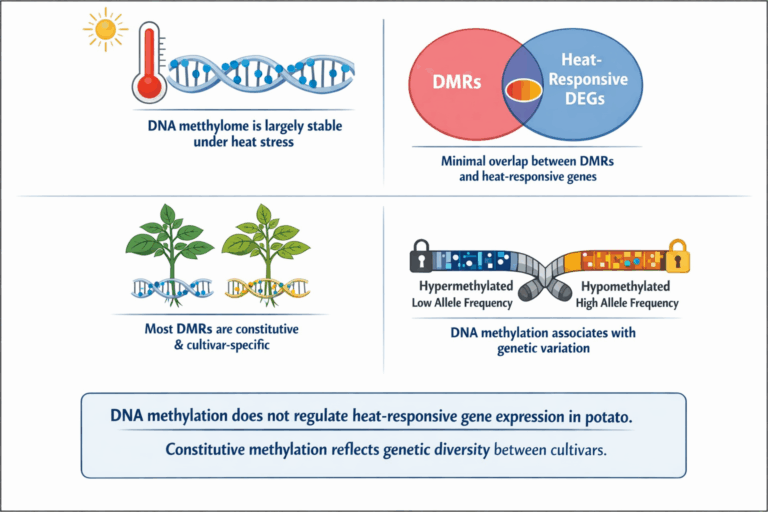

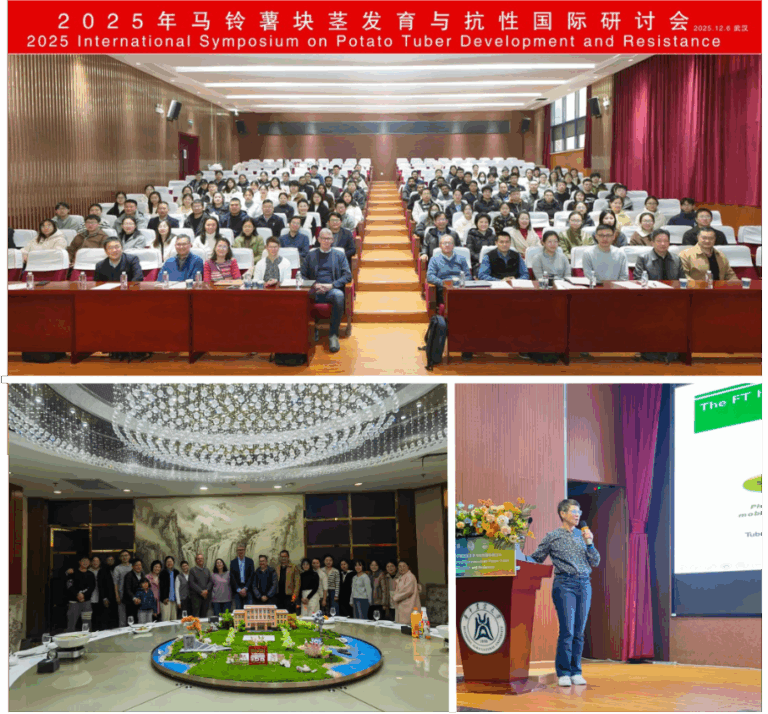
Projects

Cassava Source-Sink (CASS) Project
Science for a Higher-Yielding Cassava Plant
Cassava is a staple food for nearly a billion people, yet yields in sub-Saharan Africa remain low.
The Cassava Source-Sink (CASS) project aims to change this by increasing the plant’s natural productivity, thereby improving food security, incomes, and livelihoods for millions of people, particularly smallholder farmers.
Learn more about the plant, the science, and the people behind CASS Research.