

Plant-ER Lecture: “RNA-based bioprotectants: A new generation of crop protection strategies for virus control”
Abstract: The European ERA-NET SusCrop Project BioProtect explores innovative, environmentally safe strategies to reduce chemical pesticide use in crops. This lecture will focus on dsRNA-based bioprotectants, which harness RNA interference (RNAi) and plant immune pathways to target specific viral pathogens. Using a bacterial production platform and nanoparticle formulation, high-quality dsRNA has been shown to reduce…
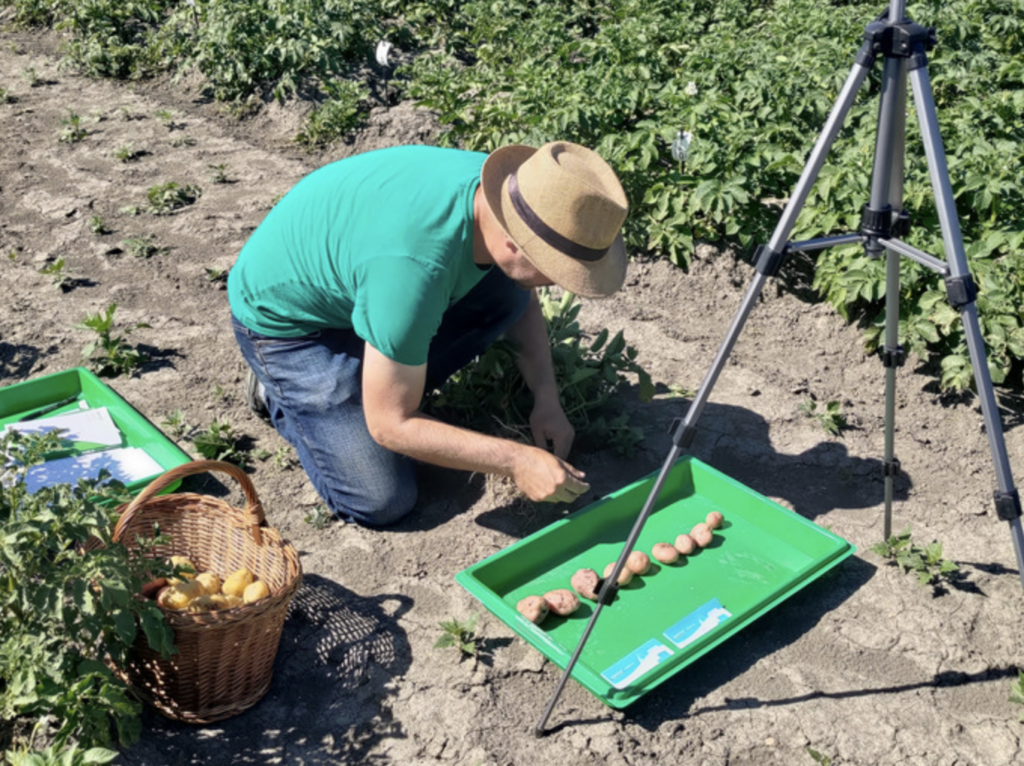
EU project ADAPT protects potato yields in heat, drought and flooding
Extreme heat waves, drought and flooding are increasingly affecting potato yields in Europe. The EU Horizon 2020-funded project ADAPT (Accelerated Development of multiple-stress olerant PoTato) conducted extensive field trials and controlled experiments to identify commercially grown potato varieties that are particularly resistant to heat and drought stress, as well as waterlogging. Numerous results were obtained…
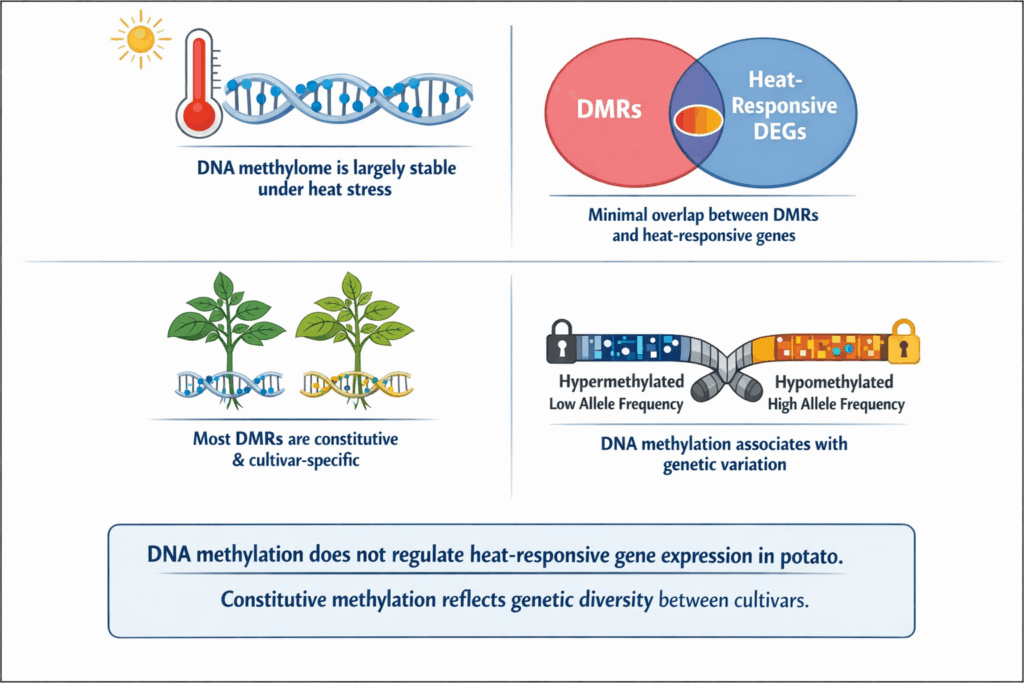
Genotype, not heat, determines DNA methylation in potatoes
Potatoes are sensitive to high temperatures, which affects gene activity and yield. In our new study, recently published in the journal The Plant Journal (https://onlinelibrary.wiley.com/doi/epdf/10.1111/tpj.70690) published, we investigated the role of DNA methylation in the heat response of two potato varieties: the moderately heat-tolerant variety Annabelle and the heat-sensitive variety Camel. The results show that most…
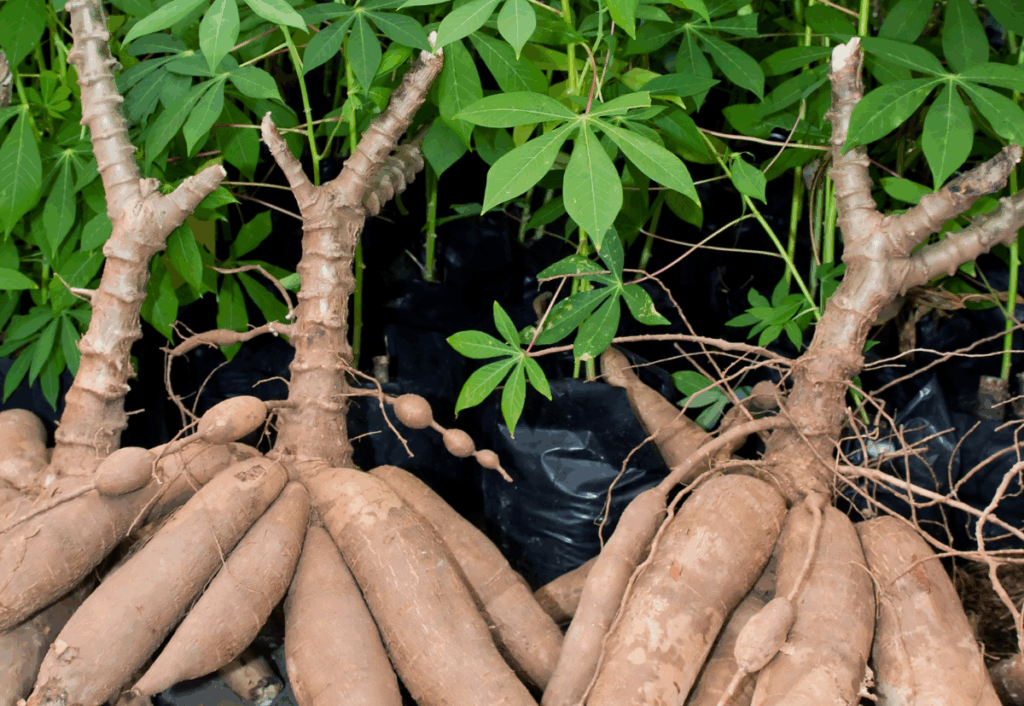
BREAKTHROUGH FOR CASSAVA PRODUCTIVITY AND DROUGHT RESILIENCE
New study shows how targeted potassium transport improves yield and drought tolerance in cassava As published in Nature Plants on 17 December 2025 DOI: https://www.nature.com/articles/s41477-025-02159-7 An international research team from the Cassava Source-Sink (CASS) consortium has achieved an important breakthrough in cassava improvement. In their newly published paper, the scientists report that introducing a…
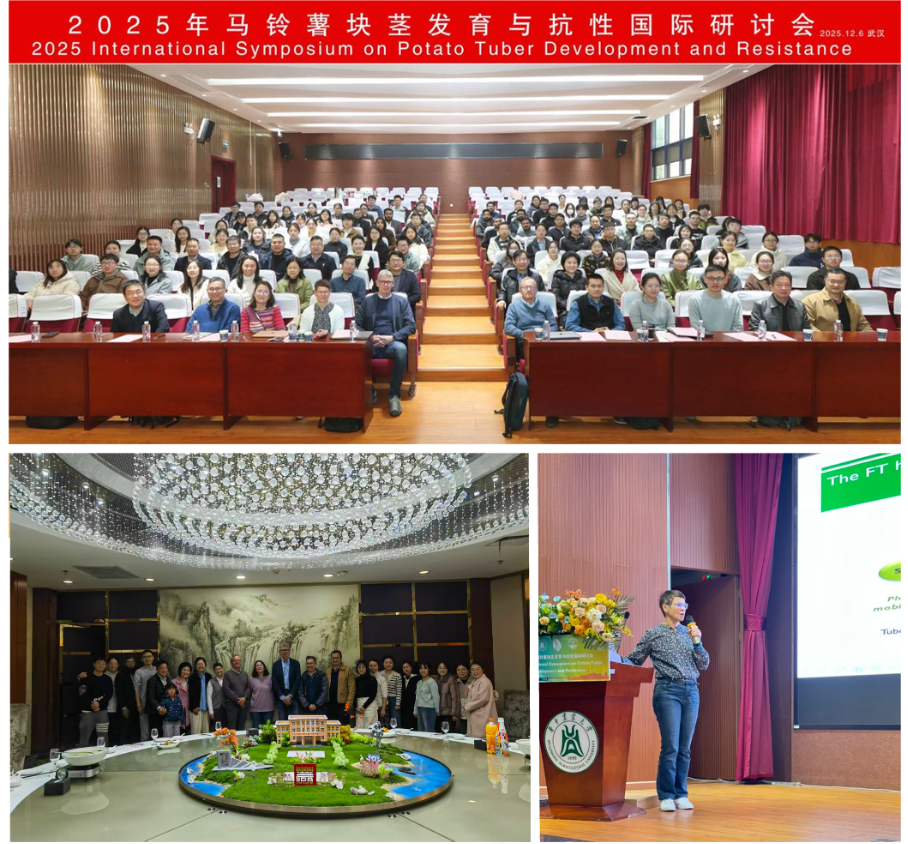
International Symposium on Potato Tuber Development and Resistance in Wuhan, China
Last weekend, Sophia and Uwe Sonnewald had the great pleasure of attending the International Symposium on Potato Tuber Development and Resistance in Wuhan, China. The symposium offered an impressive opportunity to witness the remarkable rise of potato science in China, especially at the Huazhong Agricultural University in the laboratory of Prof. Botao Song. It was…
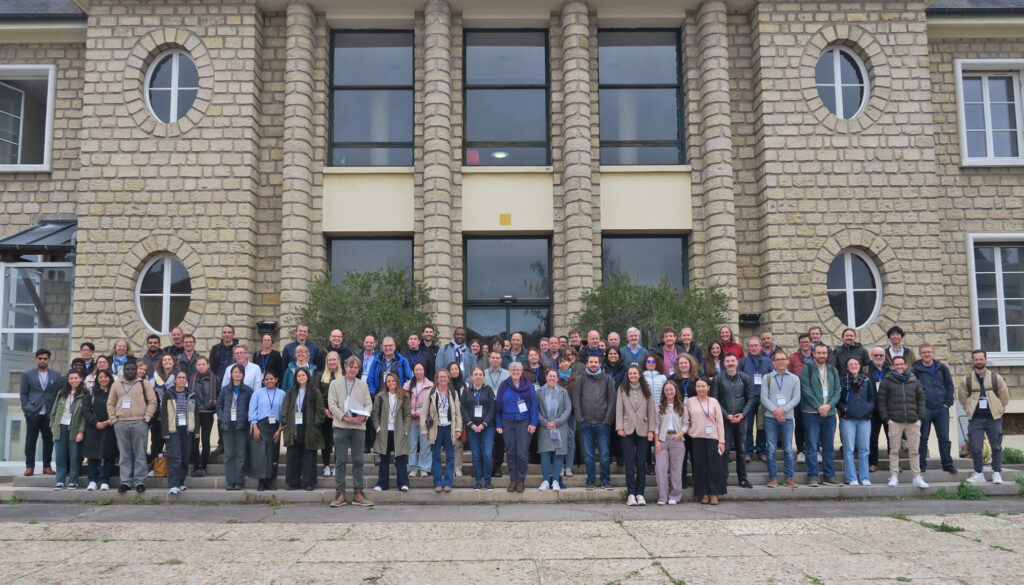
Sharing Insights on Carbon Transport – Attending the 3rd Carbon Allocation Workshop at INRAE, Versailles, France
The 3rd Carbon Allocation Workshop, held at INRAE in Versailles, France, brought together international experts to explore how plants allocate, transport, and store carbon — a fundamental process that underpins plant growth, productivity, and resilience. Carbon allocation in plants is a dynamic and multifaceted process influenced by genetics, physiology, and environmental interactions. Advances in molecular…
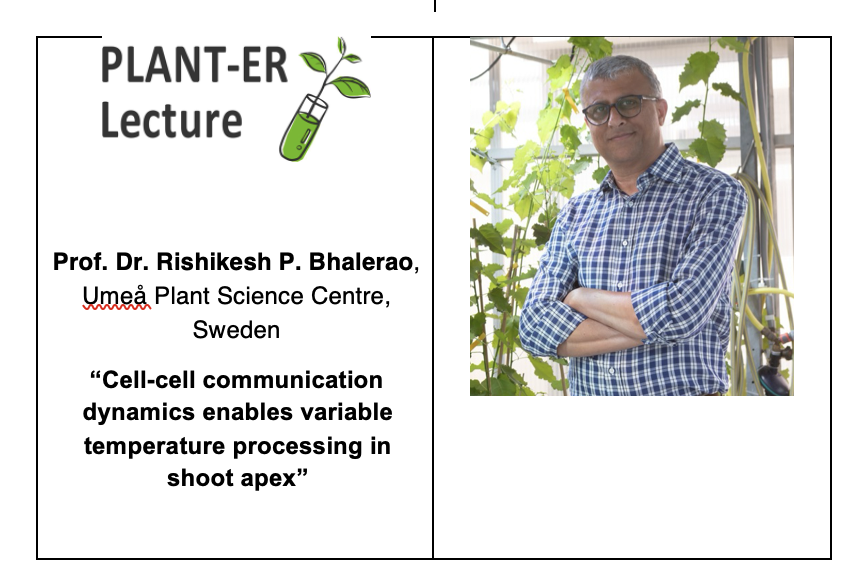
Plant-ER Lecture: Cell-cell communication dynamics enables variable temperature processing in shoot apex
Trees in boreal and temperate regions undergo annual cycle of growth and dormancy. In order to survive winter, growth in shoot apex terminates and shoot apical meristem and growth arrested leaf primordia are enclosed within an apical bud. Growth arrest in buds is maintained through the winter by establishment of bud dormancy. For reactivating growth…
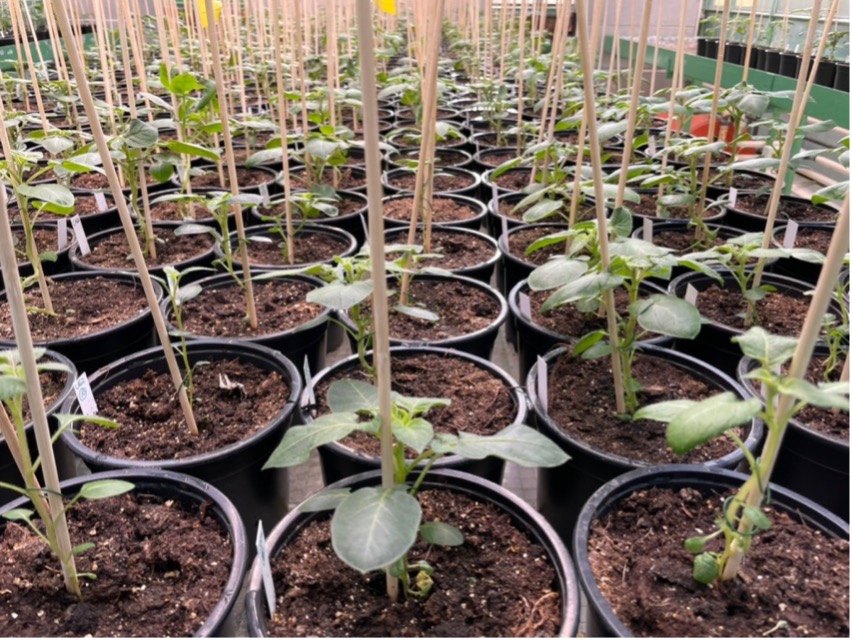
Potatoes Show Stage-Specific Responses to Phosphorus Deficiency:
In a recent article published in The Plant Journal (https://doi.org/10.1111/tpj.70445), we have uncovered how potato plants respond to fluctuating phosphorus levels in the soil, revealing a complex and stage-specific strategy that allows different organs to cope with nutrient stress. Using transcriptomic, metabolomic, and physiological analyses, the study shows that leaves and roots mount the strongest…

When Cloud Meets Bioinformatics: A Week of Data, Tools, and Collaboration at IPK Gatersleben
From 8 to 12 September 2025, IPK Gatersleben hosted an exciting week dedicated to research data management and integrative bioinformatics. Bioinformaticians, computer scientists, data managers, and researchers from across Germany and beyond came together to learn, exchange ideas, and explore how new technologies are shaping the way we handle data in the life sciences. Workshop:…
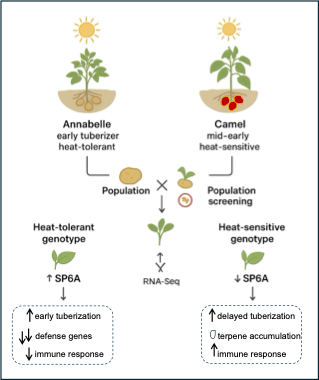
Genetic link between potato heat tolerance and disease resistance
Potato yields are threatened by rising global temperatures, as heat delays or even abolishes tuber formation. We studied over 500 potato offspring from a cross between a heat-tolerant and a heat-sensitive variety to uncover the genes behind heat resilience. We found that heat-tolerant offspring formed tubers earlier and showed higher expression of SELF-PRUNING 6A (SP6A), a…
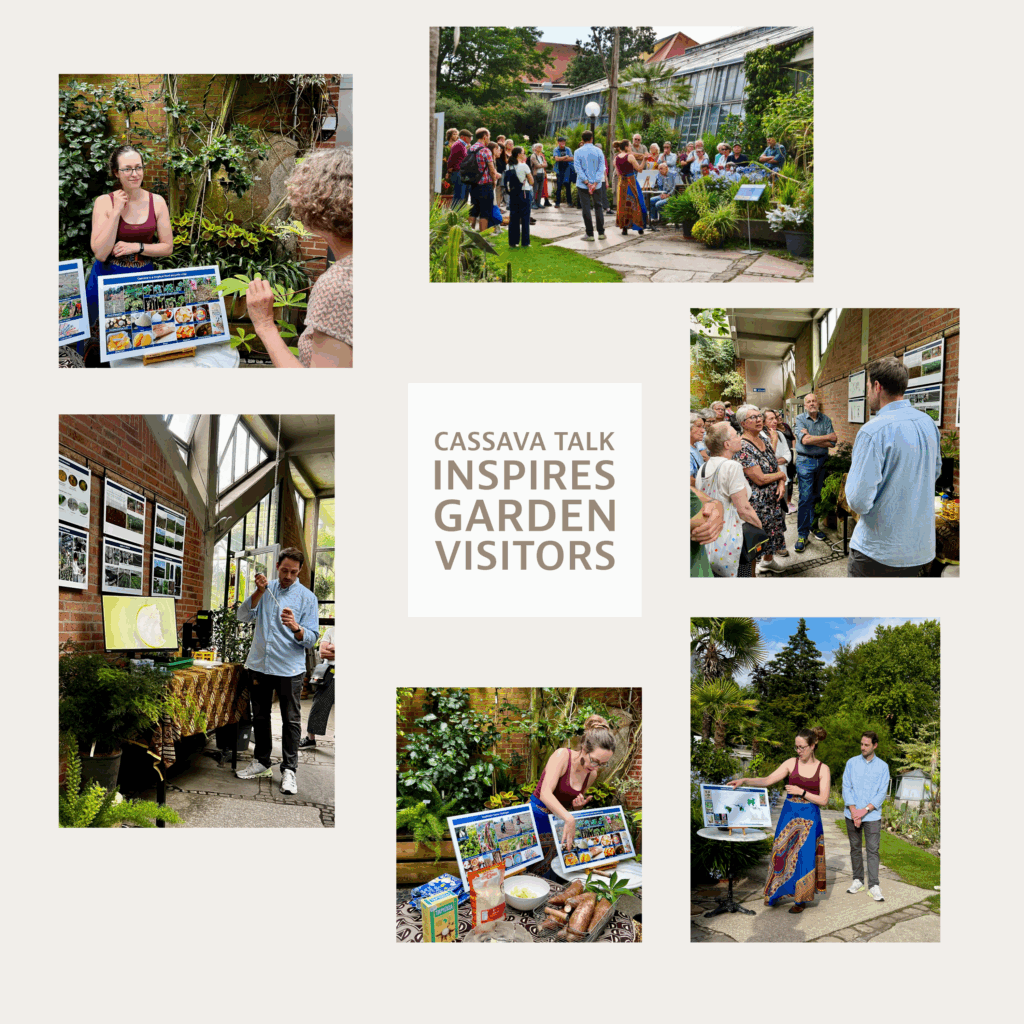
Exploring the Power of Cassava – Public Talk at the Botanical Garden in Erlangen
An engaging presentation on “The Wonder of the Cassava Plant” took place at the Botanical Garden in Erlangen, led by Dr. Mercedes Thieme and Dr. Christian Lamm from the Chair of Biochemistry at Friedrich-Alexander University Erlangen-Nuremberg (FAU). Cassava, also known as manioc or yuca, is a tropical root crop that played the central role in…
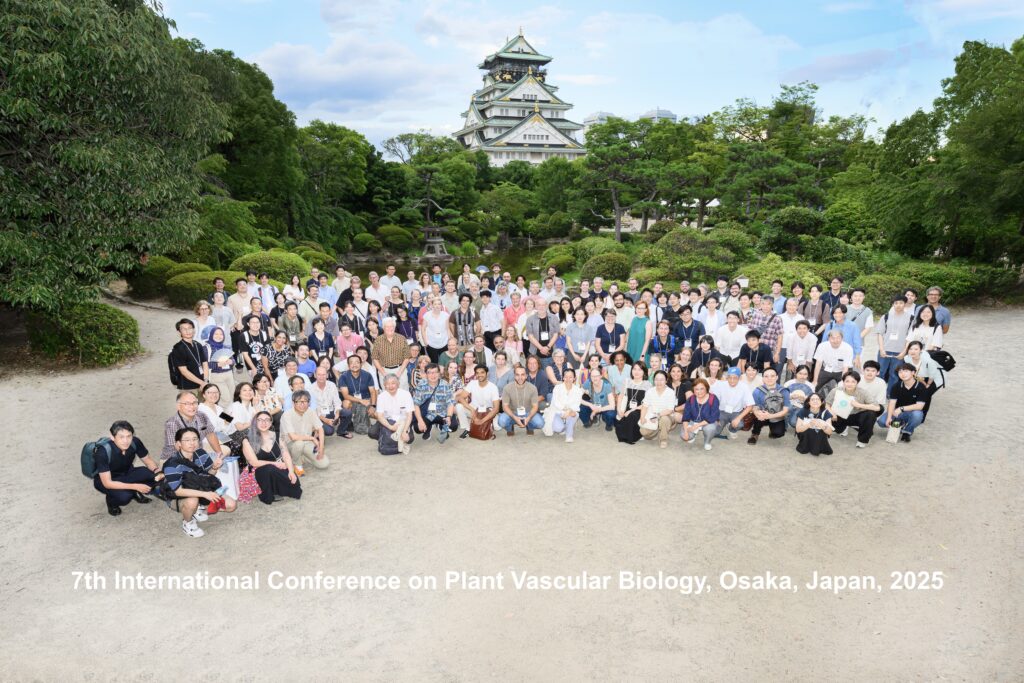
7th International Plant Vascular Biology Conference from July 7 to 11 in Osaka
On the occasion of the 7th International Plant Vascular Biology Conference from July 7 to 11 in Osaka (PVB2025), Prof. Dr. Uwe Sonnewald was able to present the work of the Chair of Biochemistry on the biotechnological improvement of cassava plants to an expert audience in Osaka, Japan. He reported on the work of the…
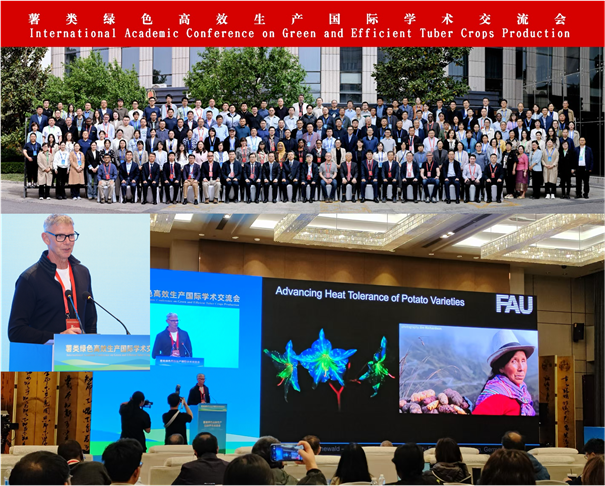
International Acadamenic Conference on Green and Efficient Tuber Crops Production
At the international conference on the green and efficient production of potatoes and sweet potatoes, Prof. Dr. Uwe Sonnewald was able to present the work of the Chair of Biochemistry on the heat tolerance of potatoes to an audience of over 200 scientists. The aim of the conference was to deepen and establish international co-operation…
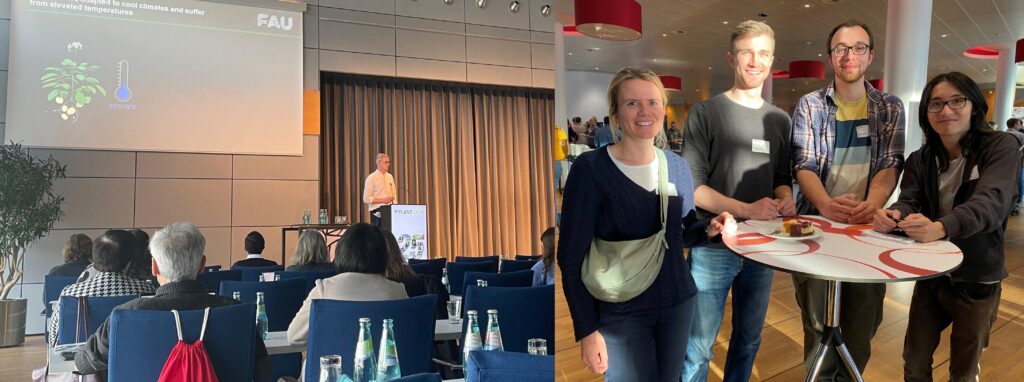
“Annual Meeting of Plant Research” in Potsdam
The Plant2030 status seminar took place in Potsdam from 5 – 7 March this year. However, what is Plant2030? Plant2030 accompanies all programs in the field of applied plant research that are funded by the Federal Ministry of Education and Research (BMBF) in Germany. The Chair of Biochemistry is involved in the current funding program…
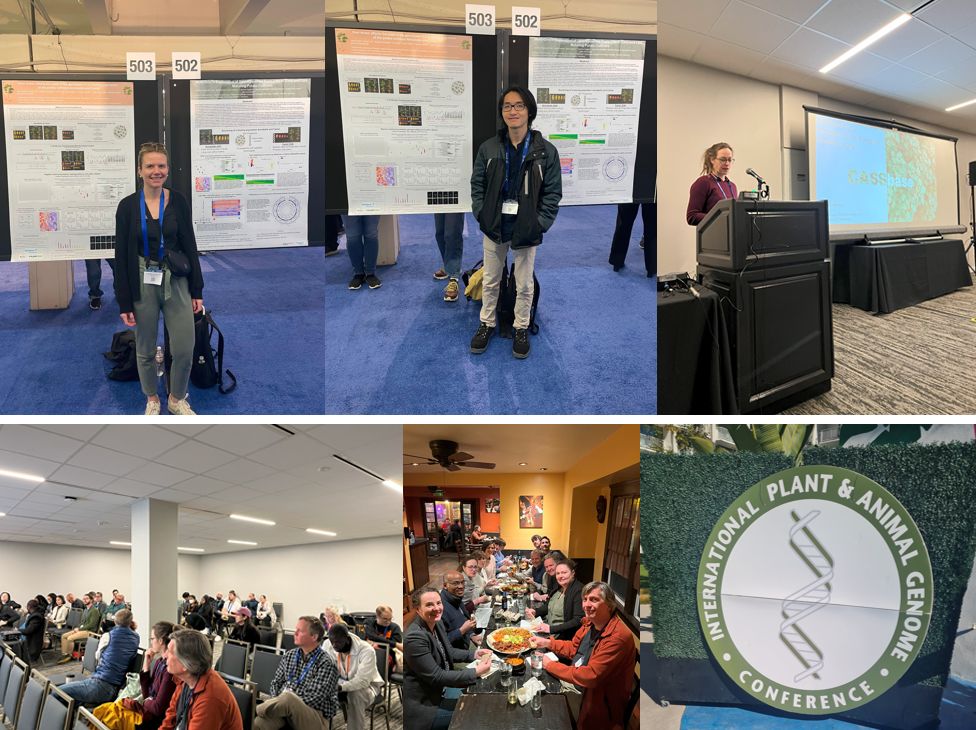
Genome science conference in San Diego
The 32nd Plant and Animal Genome science conference took place in San Diego from 10-15 January 2025. This conference is recognized as one of the largest gatherings in biology research, attracting approximately 2400 participants from 66 countries. It featured hundreds of scientific sessions and exhibitions on the latest advancements in various fields. These sessions include…
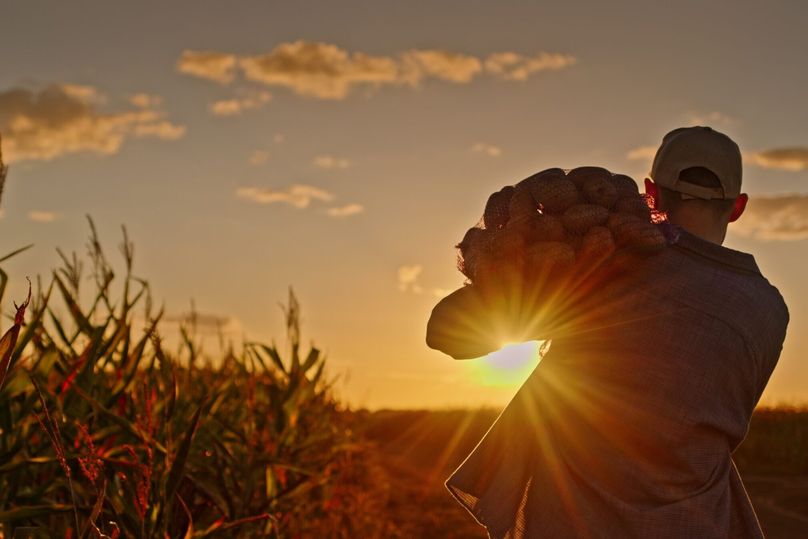
Researchers breed new varieties of potato for organic farming
Aim of the project is to find better disease resistance and greater tolerance to heat and drought. Find more details in this link.
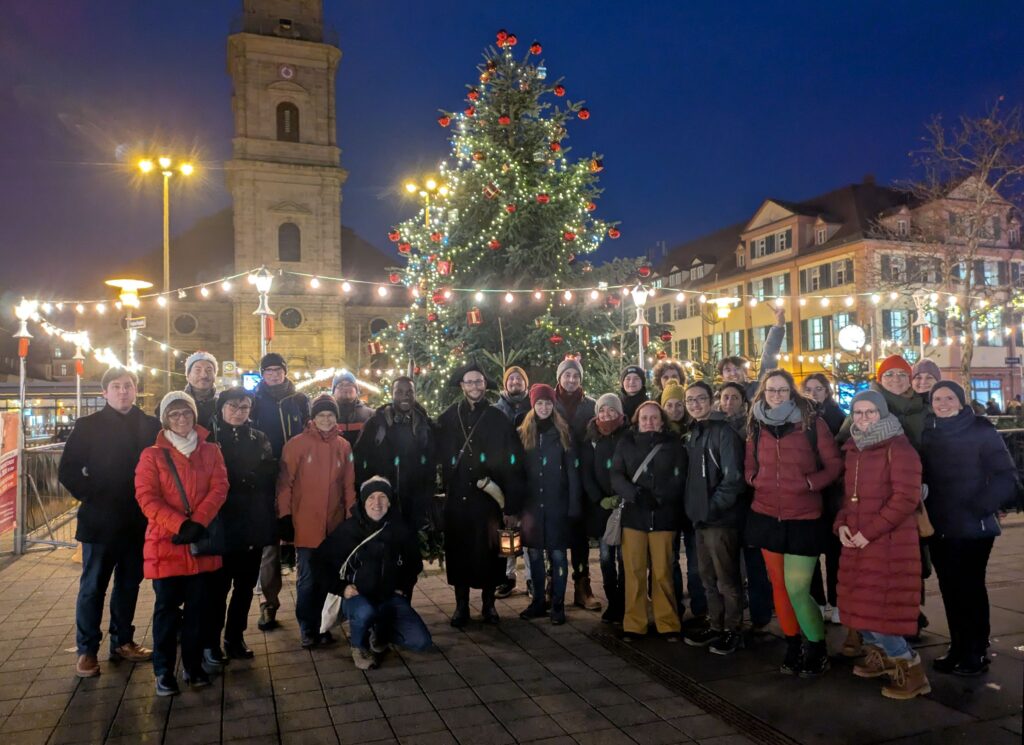
Successful year 2024
We would like to thank all our colleagues, friends and supporters for their trustful partnership, without which our work would not be possible, and we look forward to continuing our fruitful partnerships in the coming year. Merry Christmas and a Happy New Year!
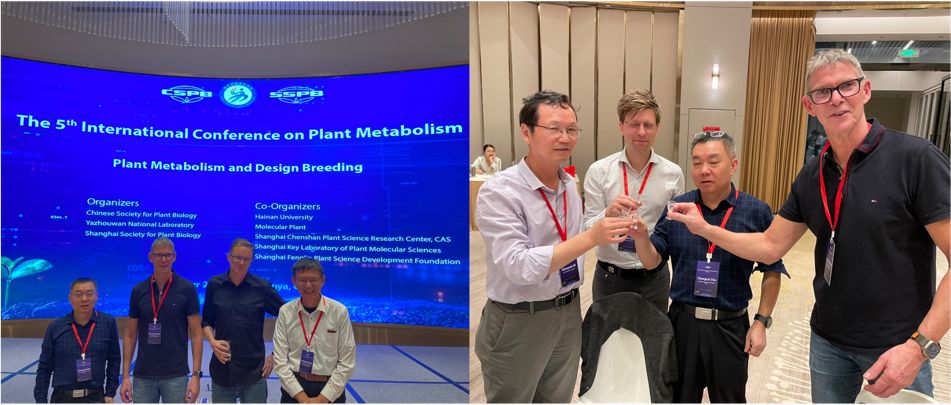
International Conference in China on Plant Metabolism
Prof. Dr. Uwe Sonnewald attended the 5th International Conference on Plant Metabolism (ICPM2024) which took place from November 21-25, 2024 in Sanya, China. The conference, which takes place every three years, focused on the topic of “Plant Metabolism and Design Breeding”. The focus was on aspects such as the biosynthesis of plant primary and secondary…
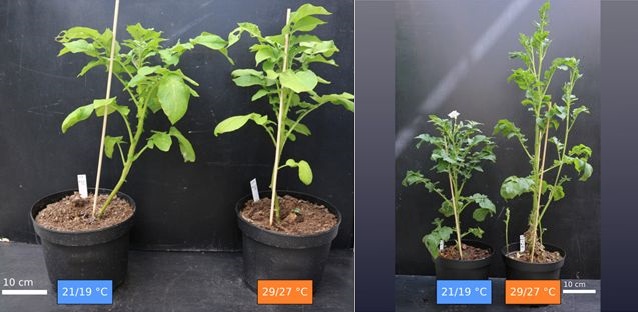
Influence of genetics on heat tolerance of potato
How do genetics influence heat tolerance in potato? Climate change increases the occurrence of heat waves and other extreme weather conditions, which are a particular challenge for sensitive crops such as potatoes. Improving heat tolerance in potato is a topic that the Department of Biochemistry has been working on for some time. Recent progress has…
Plant-ER Lecture Dec 12 2024
Prof. Dr. Uwe Sonnewald is inviting to the upcoming PlantER lecture given by PD Dr. Ljudmilla Borisjuk , IPK Gatersleben: Title: Seeing plants as never before Time: Thursday, Dec. 12 2024, 2:15 PM Location: Lecture Hall B , Staudtstr. 5, 91058 Erlangen Notice with Abstract: ( PDF )
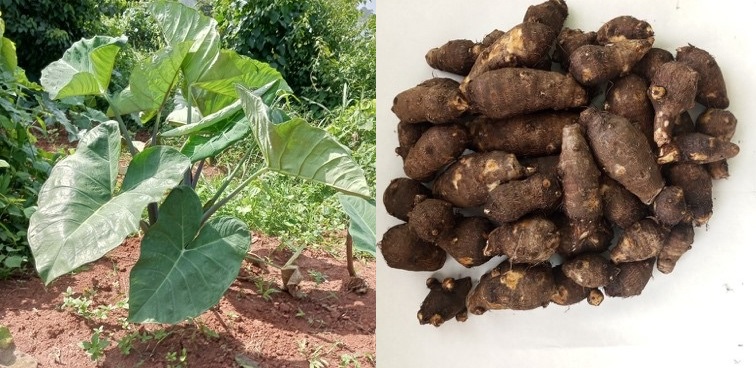
PhD project: Metabolome-Proteomic Profile and Starch Quality of Cocoyam
I am Ewane Kounty Herman Pascal, a PhD student at the University of Yaounde I, Cameroon. My research focuses on root and tuber crops, particularly cassava (Manihot esculenta) and cocoyam (Xanthosoma sagittifolium), two widely consumed species in tropical regions. In 2021, I completed my master’s thesis, which aimed to develop a low-cost method to reduce…
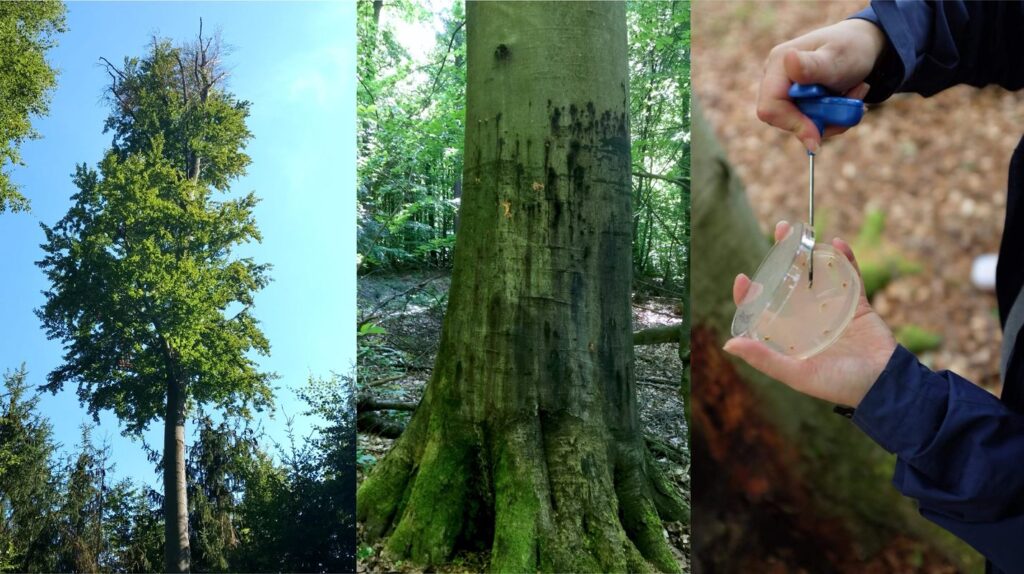
Population genomics project of two forest pathogens of genus Phytophthora
Dr. Tetyana Tsykun has started a project on the population genomics of two forest pathogens, Phytophthora plurivoraand P. x cambivora. Supported by DFG, the study, titled “Molecular Epidemiology of Phytophthora x cambivora as a Co-Dominant Factor in Beech Tree Decline in European Forests”, will be conducted over two years in the Biocomputing Lab of the Biochemistry division. These…
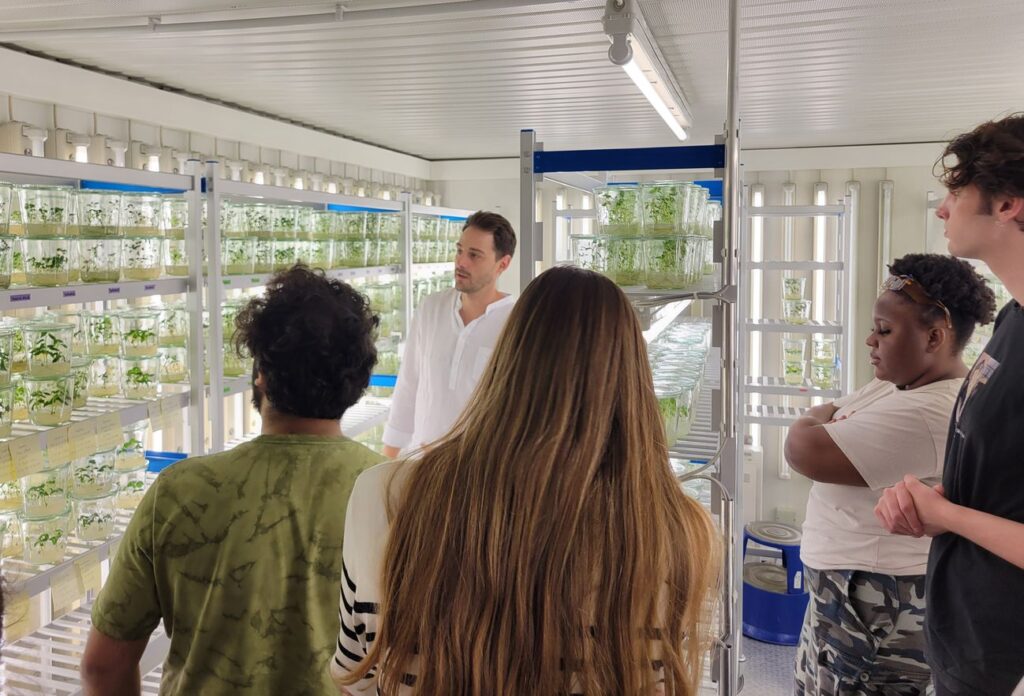
Visit from the Fachoberschule 2 Nuremberg
On July 23, a class from the Fachoberschule Nuremberg visited the Chair of Biochemistry. The students are already preparing for their seminar papers in the upcoming school year around the topic “Sustainable Innovations: The Role of Genetic Engineering in Environmental Protection and Resource Conservation” and hoped to gain insights into our daily research work. The…
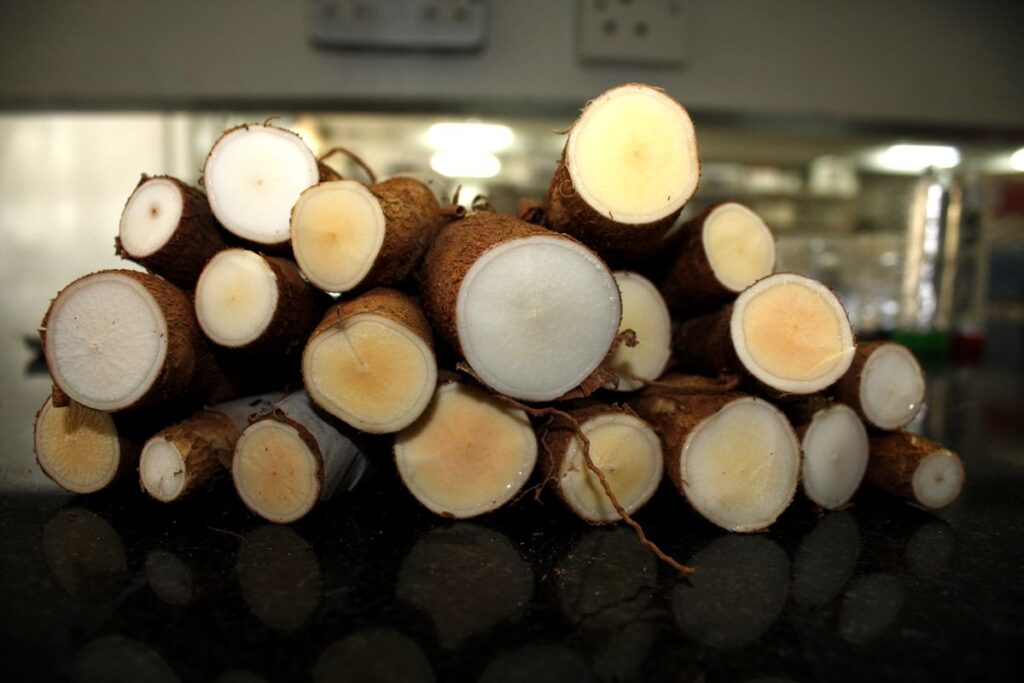
Metabolic shifts in provitamin A-rich cassava roots
Researchers from the Chair of Biochemistry, together with partners from the CASS research network, investigated the question of why provitamin A-rich cassava roots (“yellow cassava”) have a reduced starch content. The results have now been published in The Plant Journal (Gutschker et al., 2024). It has been known for some time that storage roots, which…
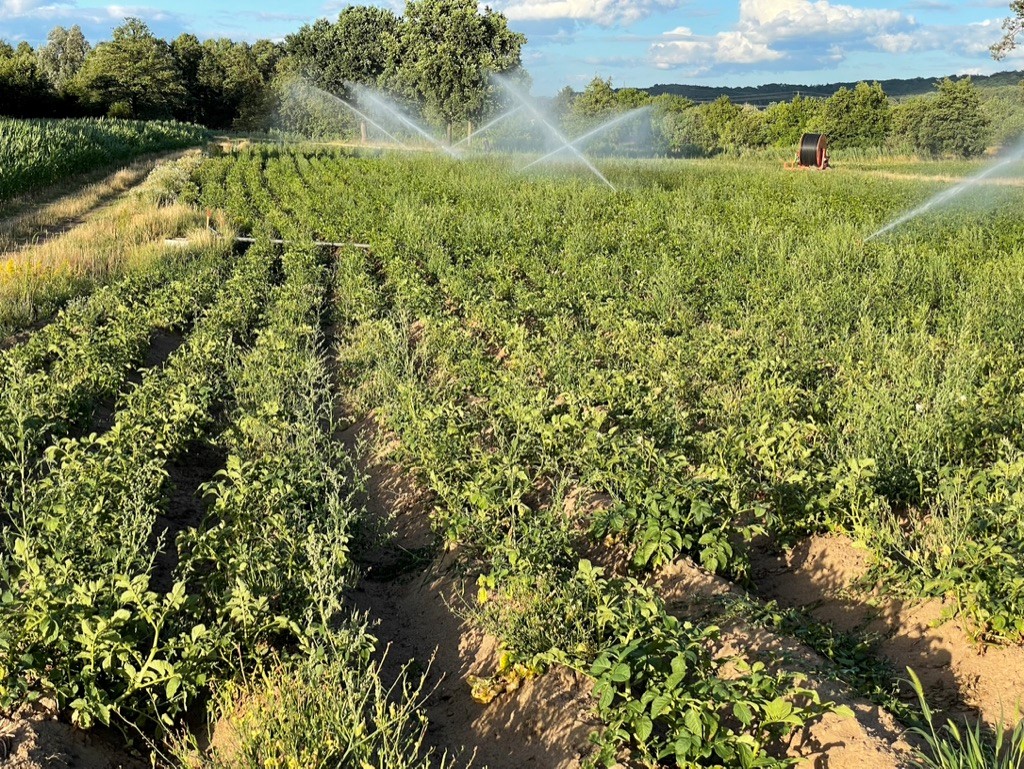
Can Potato still be saved ?
In addition to heat, late blight is threatening the potato harvest in Europe. In order to protect the harvest, farmers are dependent on plant protection products whose effectiveness and range of application are decreasing due to new EU regulations and the development of resistant and aggressive fungal strains of Phytophthora infestans . The German Farmers’…