
Potatoes Show Stage-Specific Responses to Phosphorus Deficiency:
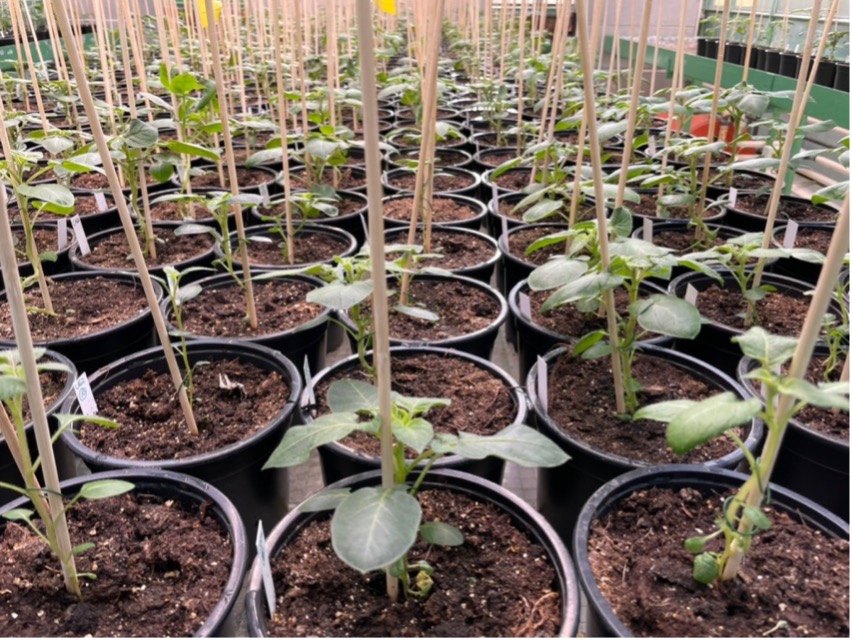
In a recent article published in The Plant Journal (https://doi.org/10.1111/tpj.70445), we have uncovered how potato plants respond to fluctuating phosphorus levels in the soil, revealing a complex and stage-specific strategy that allows different organs to cope with nutrient stress.
Using transcriptomic, metabolomic, and physiological analyses, the study shows that leaves and roots mount the strongest genetic responses to phosphorus deficiency, depending on the plant’s developmental stage. We also highlight distinct shifts in amino acid and carbohydrate metabolism, with proline and nitrogen-rich amino acids accumulating under stress and carbohydrate balance changing in severity- and time-dependent ways. While severe phosphorus deficiency disrupted sucrose and starch allocation across leaves, roots, and tubers, moderate deficiency allowed tuber development to be maintained at the expense of root metabolism.
These insights into the spatiotemporal regulation of potato responses to phosphorus stress open new avenues for improving nutrient efficiency and resilience in potato plants.